STAGE 4: SEE THE BIGGER ARC
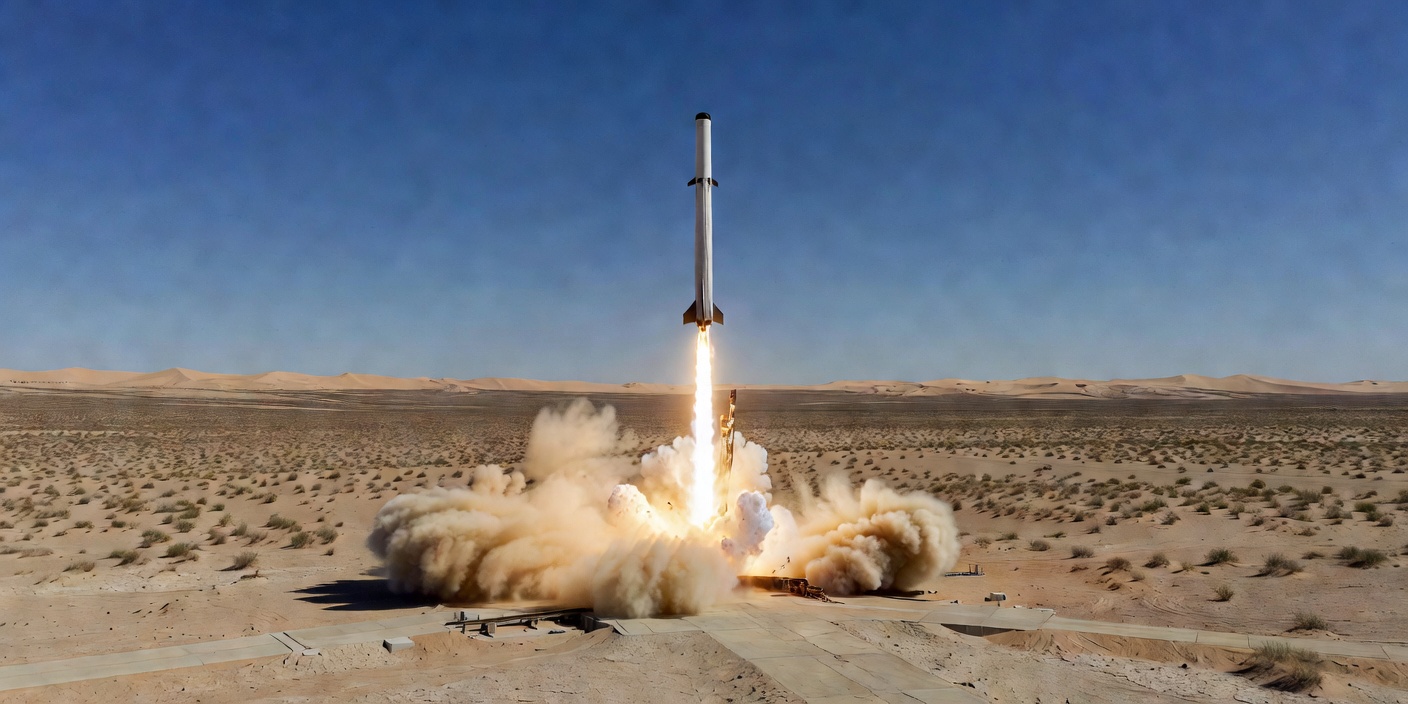
Low-power rocketry uses paper tubes, balsa, and engines A through D. But the progression does not stop there. Stage 4 introduces you to High-Power Rocketry (HPR), where the materials change to fiberglass, carbon fiber, and composite propellants.
HIGH-POWER CERTIFICATIONS
Because engines from H to O class contain significant explosive energy, they are heavily regulated. Organizations like the NAR and Tripoli mandate a progressive certification system.
- Level 1: Permits the purchase and use of H and I motors. You must build, successfully launch, and recover a rocket using an H or I motor under the supervision of a certified observer.
- Level 2: Grants access to J, K, and L motors. Requires passing a rigorous written exam on safety, physics, and FAA regulations, followed by a supervised certification flight.
- Level 3: The pinnacle. Allows M, N, and O motors. Requires extensive pre-flight documentation, committee approval of your design, and a flawless flight execution.
PAYLOADS & AVIONICS
In high-power rocketry, you cannot rely solely on engine delay charges for parachute ejection. Altitudes can exceed 10,000 feet, making visual tracking impossible.
Advanced hobbyists use barometric altimeters and onboard computers. These avionics sense the apogee (highest point of flight) and fire an electronic match to detonate black powder, separating the rocket sections. Many employ dual-deployment: a small parachute at apogee to bring the rocket down quickly, and a massive main canopy deployed at 1,000 feet to prevent the rocket from drifting miles away in high altitude winds.
END OF THE PATH
You have reached the end of the guided sequence. If you require clarification on any point across these four stages, proceed to the FAQ or contact the mapmakers directly.
I AM STUCK